TRAINING & EDUCATION

Gain Real-World Experience in Disaster and Resilience Contexts

Study Abroad immerses students and professionals in countries shaped by disasters and recovery—offering firsthand learning on risk, adaptation, and innovation while building global awareness and professional growth.
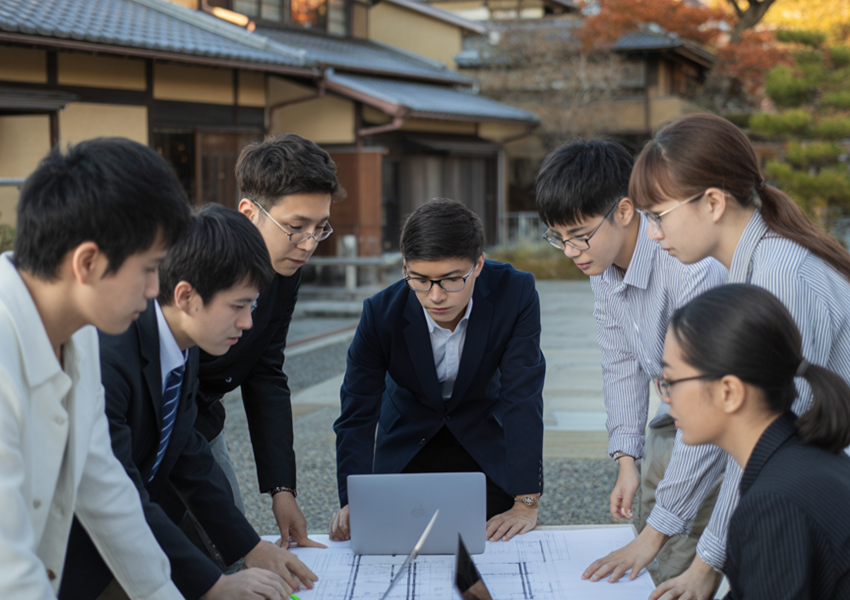
Emergency response planning team

True understanding of resilience and crisis response comes not only from the classroom, but from the world. Imara-IHG’s Study Abroad programs are immersive, field-based learning experiences designed for students and professionals seeking to deepen their global awareness and apply theory to real-world challenges.

Hosted in regions facing complex risks—from climate-vulnerable coastal zones to post-conflict recovery settings—these programs offer unparalleled access to frontline organizations, local leaders, and affected communities. Participants engage in site visits, collaborative fieldwork, and cross-cultural dialogue that bring core concepts in disaster management, development, and public health to life.

Each program is guided by experienced facilitators and grounded in ethical, reciprocal partnerships with local institutions. Whether you're a university building global competencies or a professional looking to expand your field insight, our Study Abroad offerings deliver transformative learning that lasts well beyond the trip.

In this methodology, students embark on a simulated mission to a remote community, where they engage in activities aimed at positively impacting the lives of its residents. The journey begins with comprehensive online training to prepare students for their immersive experience.

During the trip, students actively collaborate with marginalized communities, immersing themselves in their culture and providing support for their development initiatives. This hands-on approach allows students to gain firsthand knowledge and understanding of the challenges faced by these communities.

Designed for individuals seeking a transformative experience to enhance their awareness, professionalism, and life skills, this program offers a unique opportunity to enter the expanding job market focused on serving others.

The trips vary in complexity and objectives. Each mission depends exclusively on the local reality in where the students will be immersed.

Do You Need Urgent Support?

If you are responding to an unfolding disaster and urgently need real-time intelligence, situational analysis, or decision support, our team can help immediately. We provide rapid assessments, context scanning, and actionable insights so your organization can make informed, life-saving decisions under pressure.

Schedule an urgent resilience meeting

Outcomes you can expect

Deepened global awareness and empathy

Engage directly with communities facing complex risks, gaining insight into diverse lived experiences and resilience strategies.

Applied learning in real-world settings

Translate classroom theory into practice through collaborative fieldwork, site visits, and mission-based simulations.

Ethical engagement and cultural humility

Build respectful, reciprocal relationships with local partners—grounded in ethical practice and community-defined priorities.

Enhanced professionalism and career readiness

Strengthen leadership, adaptability, and cross-sector competencies—preparing for careers in humanitarian action, development, and public service.

These Videos Matter!
They connect theory with practical resilience lessons drawn from real-world failures. And don't forget to check out our Resilience Hub !
Earthquake Alerts Explained. What Happens in the First 10 Minutes Before a Quake
David Wald
Technology in Disaster Management. What Helps, What Fails, and Why
Thomas Robertson
Technology in Disaster Response: What Works, What Fails, and Why
Noé Hatchuel
Beyond the Numbers: Applying Sphere Standards With Dignity and Judgment
Aninia Nadig

What’s Included

Our Study Abroad programs offer immersive, field-based learning experiences in regions facing complex risks. Participants engage directly with frontline organizations, local leaders, and affected communities—gaining real-world insight and global perspective. Each engagement is mapped to the fourth stage of our Path to Resilience framework, where learning becomes lived experience.

Scope and Structure

Each program is built around five integrated components that ensure your experience is immersive, ethical, and academically rigorous:

Pre-Departure Training & Orientation

Prepare with online modules covering cultural context, safety protocols, ethical engagement, and field methodology.

Arrows Pointing to Home

Immersive Field-Based Learning

Participate in site visits, collaborative fieldwork, and cross-cultural dialogue with local organizations and communities.

Arrows Pointing to Home

Mission-Based Simulation

Engage in a simulated deployment to a remote community, applying skills in real-time to support local development initiatives.

Arrows Pointing to Home

Facilitator-Led Reflection & Debrief

Participate in guided reflection sessions to process experiences, share insights, and connect field learning to academic goals.

Arrows Pointing to Home

Post-Trip Portfolio & Certification

Compile a learning portfolio and receive a certificate of completion—documenting skills, reflections, and field contributions.

Arrows Pointing to Home

Typical Format and Schedule

A standard Study Abroad program runs 2–4 weeks on-site, preceded by online preparation and followed by guided reflection. Each journey is structured in three phases—moving from training and orientation to immersive fieldwork and post-trip integration—so participants gain lasting insight and real-world experience.

01
Pre-Departure Training & Orientation
Weeks -2 to 0: Complete online modules covering cultural context, safety, ethics, and field methodology. Participate in virtual briefings and team-building sessions.
02
Immersive Field Experience
Weeks 1–4: Travel to host region. Participate in site visits, collaborative fieldwork, and mission-based simulations. Engage with local partners and communities through structured activities.
03
Post-Trip Reflection & Certification
Week 5: Participate in guided debrief sessions. Submit a learning portfolio and receive a certificate documenting skills and contributions.
Study abroad schedule visualization

Optional Add-Ons

Academic Credit Integration
Align program outcomes with university credit systems and transcript requirements.
Capstone Project Support
Guide students in developing final projects based on field experience—ideal for thesis, portfolio, or professional showcase.
Alumni Network & Mentorship
Connect participants with past cohorts and mentors for continued learning, career guidance, and global collaboration.

Expert Insights