RESPONSE & RECOVERY

Get Reliable Ground Data to Guide Recovery Decisions

Post-Disaster Field Assessment gives your organization verified, on-site information to evaluate damage, prioritize interventions, and allocate resources effectively after a crisis.
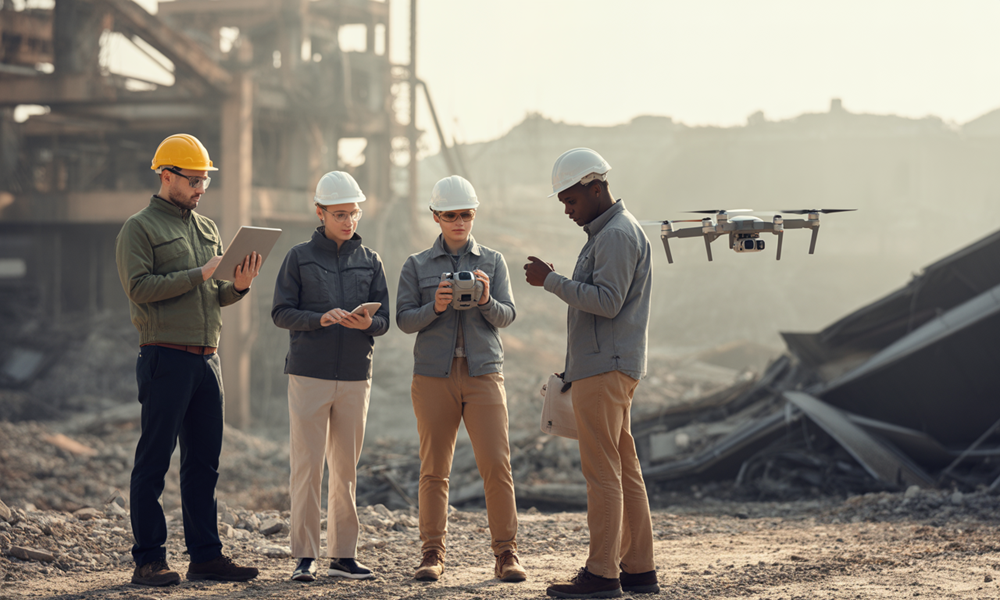
Emergency response planning team

In the wake of a crisis, understanding what’s happening on the ground isn’t optional—it’s essential. Whether facing a natural disaster, humanitarian emergency, or complex operational disruption, real-time field intelligence is the foundation of an effective response. Without it, organizations risk misallocating resources, overlooking vulnerable populations, and damaging relationships with communities and partners.

Field assessment goes beyond rapid data collection. It is a strategic, structured process designed to capture what matters most in volatile environments—emerging risks, community priorities, access constraints, and shifting stakeholder dynamics. At Imara-IHG, we equip governments, nonprofits, and private sector actors with the tools, expertise, and analytical capacity to interpret conditions accurately, act responsibly, and lead with credibility.

We specialize in high-stakes, high-uncertainty situations—where noise often overwhelms signal, and every decision carries reputational, social, and financial weight. Our approach combines on-the-ground field teams, rapid assessment frameworks, and data-driven insights to ensure clients move with speed, clarity, and impact.

Do You Need Urgent Support?

If you urgently need a rapid on-the-ground assessment after a disaster—whether to understand damages, evaluate operational needs, or guide immediate response decisions—our team can help right away. We provide fast field assessments to uncover critical gaps, identify priority actions, and support your organization’s recovery efforts from day one.

Schedule an urgent resilience meeting

Outcomes you can expect

Clear understanding of ground realities

Capture accurate, real-time insights into needs, risks, and access constraints across affected communities and sectors.

Stronger coordination & resource targeting

Inform operational decisions and partner coordination with structured, actionable field data and stakeholder input.

Greater credibility with communities

Demonstrate respect, transparency, and responsiveness by grounding decisions in community priorities and lived realities.

Faster, more responsible action

Move quickly without compromising accuracy—using structured frameworks that balance urgency with accountability.

These Videos Matter!
They connect theory with practical resilience lessons drawn from real-world failures. And don't forget to check out our Resilience Hub !
When Cyber Becomes a Crisis. Emergency Management Beyond IT
Robert Fagan
Peace Boat’s Disaster Relief Model. Volunteers, Local Partners, and Communication
Emilie McGlone
A Disaster Is Not a Big Emergency. Planning for Complexity and Self-Organization
Alejandro Linayo
Remote Sensing for Disasters. What Emergency Managers Actually Need to Know
Dale Viola

What’s Included

Our Post-Disaster Field Assessment service helps organizations understand fast-changing realities on the ground—so they can act with speed, responsibility, and credibility. We combine structured frameworks, trained field teams, and real-time analysis to ensure your response is grounded in evidence and aligned with community priorities. Each engagement is mapped to the rapid-response and third stages of our Path to Resilience framework.

Scope and Structure

We deliver a structured, field-ready assessment process built around five integrated components that ensure your decisions are informed, inclusive, and timely:

Each component is tailored to your operating environment, sector, and coordination needs—ensuring your response is informed, inclusive, and trusted.

Rapid Assessment Frameworks

Deploy structured tools to capture critical data on needs, risks, access, and stakeholder dynamics in volatile environments.

Arrows Pointing to Home

Trained Field Assessment Teams

Deploy experienced field teams to conduct interviews, site visits, and community consultations—safely and ethically.

Arrows Pointing to Home

Community & Stakeholder Mapping

Identify key actors, power dynamics, and community priorities to inform inclusive and context-aware response strategies.
Arrows Pointing to Home

Real-Time Analysis & Briefings

Deliver daily updates and flash reports to support operational decisions, partner coordination, and public communication.
Arrows Pointing to Home

Final Assessment Report & Recommendations

Produce a structured report with findings, risks, and actionable recommendations to guide next-phase response and recovery.

Arrows Pointing to Home

Typical Format and Schedule

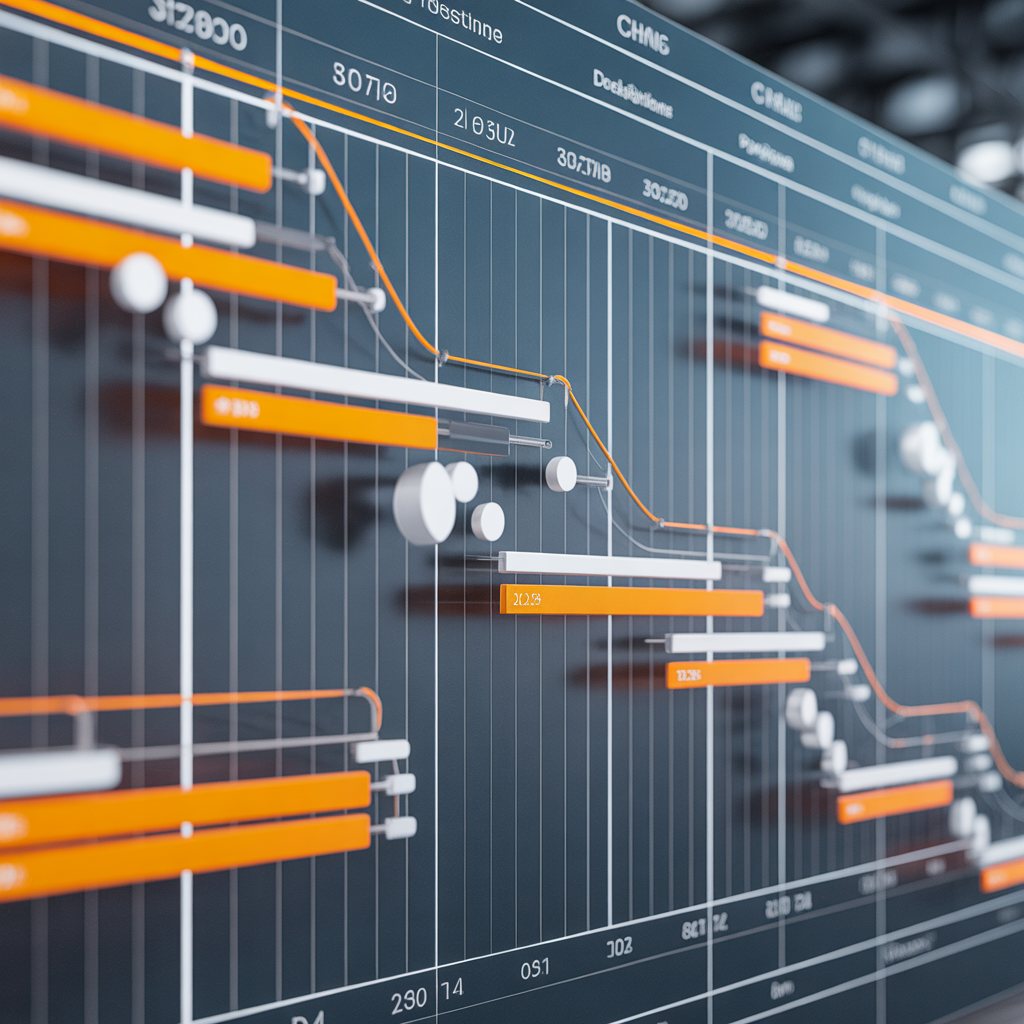
A standard Post-Disaster Field Assessment engagement runs 2–3 weeks, depending on the scale, geography, and coordination needs. Our team can deploy on-site or support remotely, with a three-phase structure that ensures rapid deployment, real-time analysis, and strategic reporting.
01
Deployment & Framework Setup
Days 1–3: Mobilize field teams, finalize assessment tools, and align with operational leads. Establish protocols for safety, ethics, and coordination.
02
Field Data Collection & Analysis
Days 4–12: Conduct interviews, site visits, and community consultations. Deliver daily updates and flash reports to support operational decisions and partner coordination.
03
Final Reporting & Strategic Debrief
Days 13–18: Deliver final assessment report with findings, risks, and recommendations. Facilitate leadership debrief and transition to recovery planning.
Post-disaster field assessment schedule visualization

Optional Add-Ons

Community Listening Sessions
Facilitate inclusive dialogues to deepen trust and ensure marginalized voices are heard and reflected in findings.
Partner Coordination Briefings
Host joint briefings with NGOs, government, and donors to align response priorities and share assessment insights.
Recovery Planning Transition
Support the shift from assessment to recovery strategy with scenario planning and stakeholder engagement.

Our Leading Experts in this Area

Hector Rivera Echevarria, M.A.

Supporting Disaster Response and Resilience Worldwide. Former USAID, Peace Corps, American Red Cross, CORE.

Rodrigo Mena, Ph.D.

Disaster Management in Fragile, Conflict and Vulnerable (FCV) settings. Deputy Director, Hague Humanitarian Studies Centre.

Volker Hüls, M.A.

Optimizing crisis preparedness and response. Head of Results and Learning, Danish Refugee Council

Nina Goričar, M.A.

Independent consultant driven by our common humanity and desire to co-create a better world. Former War Child manager

WE KNOW


HOW TO IDENTIFY

THE RIGHT INFORMATION

IN A POST DISASTER

CONTEXT

At Imara-IHG, we provide organizations with critical, real-time field assessments that enable effective decision-making in disaster-affected environments. What makes us unique is our ability to combine on-the-ground expertise with cutting-edge disaster research, ensuring that every assessment is fast, scientifically rigorous and operationally relevant.


  • For governments, we offer data-driven insights that shape national response efforts, inform policy decisions, and optimize resource allocation.
  • For nonprofits and international organizations, we provide highly specialized field assessments that enhance program effectiveness, prevent duplication of efforts, and ensure aid reaches the most vulnerable populations.
  • For the private sector, we equip businesses with the intelligence needed to navigate disrupted markets, assess operational risks, and engage in responsible corporate response efforts.


At Imara-IHG, we turn field data into actionable intelligence that allows organizations to lead with precision, act with responsibility, and emerge stronger in even the most unpredictable environments. 

Expert Insights