RESPONSE & RECOVERY

Make Faster, Smarter Decisions During Disasters

Disaster Response Intelligence provides real-time analysis and operational data so your organization can coordinate resources, support affected communities, and maintain business continuity throughout a crisis.

Emergency response planning team

In the chaos of disaster response, timely and accurate information can mean the difference between effective action and costly missteps. Yet many organizations struggle to access, interpret, and act on critical data under pressure.

Imara-IHG’s Disaster Response Intelligence service equips response teams, operations centers, and executive leadership with the intelligence they need to coordinate efforts, allocate resources, and adapt to evolving conditions. We provide tailored dashboards, on-the-ground data collection strategies, and expert analysis that integrates local knowledge with global tools.

Whether you're navigating a natural disaster, public health emergency, or complex humanitarian crisis, we help you cut through noise and focus on what matters—delivering the right help to the right place at the right time. Our team operates as a trusted partner, embedding with your response system or supporting remotely to enhance speed, precision, and accountability.

Do You Need Urgent Support?

If you are responding to an unfolding disaster and urgently need real-time intelligence, situational analysis, or decision support, our team can help immediately. We provide rapid assessments, context scanning, and actionable insights so your organization can make informed, life-saving decisions under pressure.

Schedule an urgent resilience meeting

Outcomes you can expect

Faster, more coordinated response

Enable real-time decision-making and cross-team coordination through shared dashboards and situational awareness tools.

Improved resource allocation

Use timely, location-specific intelligence to direct personnel, supplies, and funding where they’re needed most.

Greater clarity in complex environments

Cut through noise and uncertainty with expert analysis that integrates local context, global tools, and evolving conditions.

Stronger accountability & trust

Demonstrate transparency and effectiveness to funders, partners, and affected communities through data-informed action.

These Videos Matter!
They connect theory with practical resilience lessons drawn from real-world failures. And don't forget to check out our Resilience Hub !
Humanitarian Multi-Track Diplomacy. Dialogue, Advocacy, Negotiation, Persuasion
Mike Clark
Disasters and Immigration. What U.S. Law Actually Does
Fernando Socol
Disaster Myths That Shape Risk. What Science, History, and Communities Teach Us
Rut Erdelyiova
Critical Infrastructure Under Stress. Lessons from Sweden’s Power Grid
Christine Grosse

What’s Included

Our Disaster Response Intelligence service equips response teams and decision-makers with the tools and insights needed to act quickly and effectively in complex emergencies. We integrate field data, local context, and global tools to support coordination, resource allocation, and accountability. Each engagement is mapped to the rapid-response stage of our Path to Resilience framework—where speed, clarity, and trust are essential.

Scope and Structure

We deliver a modular intelligence support package built around five integrated components that ensure your response is informed, coordinated, and accountable:

Each component is tailored to your operational context, geographic footprint, and coordination needs—ensuring your response is informed, agile, and trusted.

Field Data Collection Strategy

Design and deploy data-gathering protocols that capture local realities, operational gaps, and emerging needs in real time.

Arrows Pointing to Home

Intelligence Dashboard Design

Build tailored dashboards that visualize key indicators, operational priorities, and coordination status across teams.
Arrows Pointing to Home

Embedded Analyst Support

Deploy expert analysts to work alongside your response team—on-site or remotely—to interpret data and guide decisions.

Arrows Pointing to Home

Coordination & Decision Support

Facilitate cross-team coordination and provide structured decision frameworks to support rapid, accountable action.

Arrows Pointing to Home

Real-Time Reporting & Briefings

Deliver live updates, situation reports, and leadership briefings that support transparency and stakeholder confidence.
Arrows Pointing to Home

Typical Format and Schedule

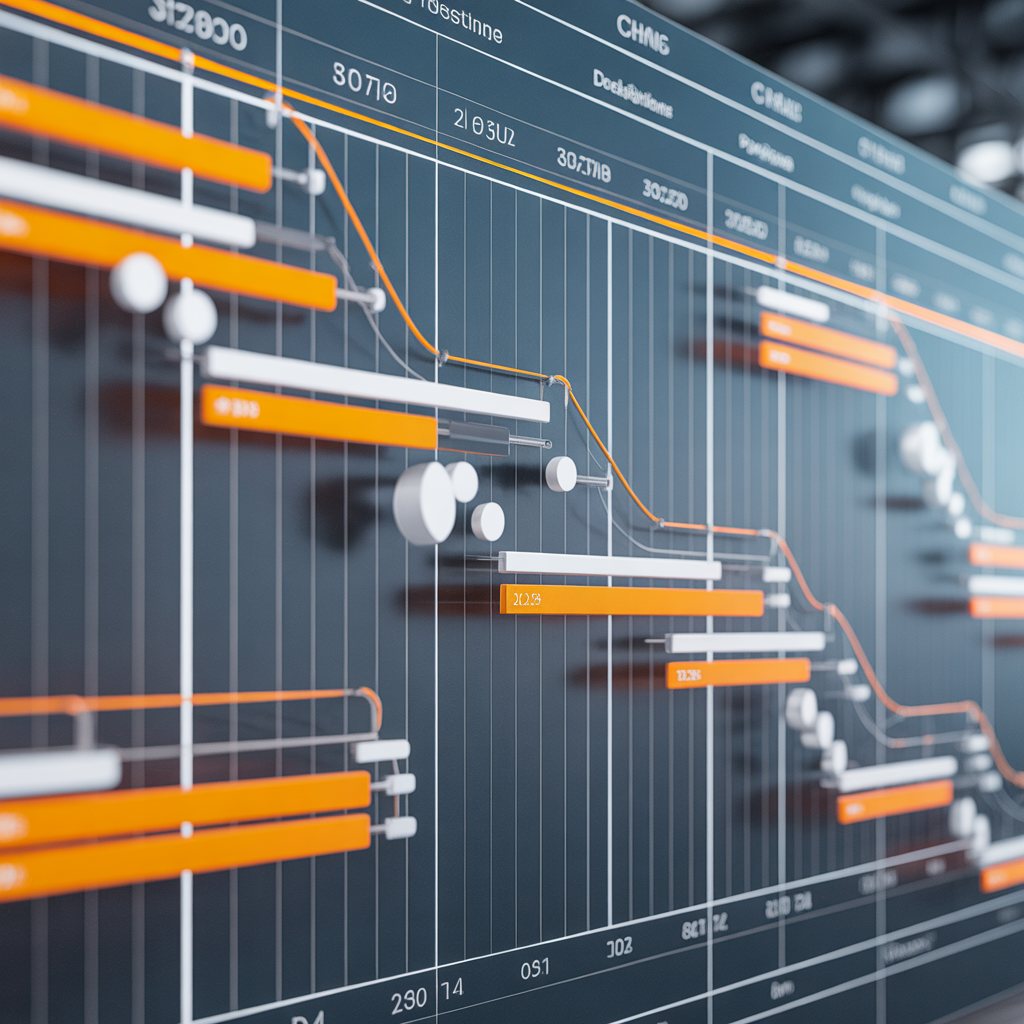
A standard Disaster Response Intelligence engagement runs 2–4 weeks, depending on the scale and duration of the crisis. Our team can embed on-site or support remotely, with a three-phase structure that ensures rapid setup, real-time coordination, and post-response analysis.
01
Rapid Setup & Intelligence Design
Day 1–3: Conduct intake with response leads, design dashboards, and deploy field data collection protocols. Align intelligence tools with operational priorities.
02
Live Coordination & Decision Support
Day 4–21: Provide real-time analysis, facilitate cross-team coordination, and deliver daily briefings. Adjust intelligence inputs as conditions evolve.
03
Post-Response Analysis & Transition
Day 22–28: Deliver final situation reports, debrief with leadership, and transition tools for ongoing recovery and accountability.
Disaster response intelligence schedule visualization

Optional Add-Ons

Crisis Simulation Add-On
Run tabletop exercises to test intelligence workflows and coordination protocols before a real event.
Partner Coordination Toolkit
Templates and protocols for multi-agency coordination, including shared dashboards and reporting formats.
Remote Intelligence Support
Access off-site analysts and dashboard support when on-the-ground deployment isn’t feasible.

Our Leading Experts in this Area

Kevin King, MBA

Executive Director, Mennonite Disaster Service

Cnel. George Hadrick, M.A.

Former US NATO Diplomat. US Army Colonel (Retired)

Charilaos Mertzanis, Ph.D.

Professor of Finance, Abu Dhabi University

Andrew Slaten

Adjunct Professor, Millersville University; Editorial Board member, The Yearbook of International Disaster Law (BRILL); Deputy Director, International Affairs, FEMA (Retired)

Expert Insights