Turn Disaster Insights Into Strategic Advantage
Post-Disaster Analysis helps your organization learn from disruption—transforming data from real crises into actionable strategies that reduce risk, strengthen operations, and open new opportunities for sustainable growth.

After every disaster lies an opportunity to learn, adapt, and grow. Yet too often, organizations rush to return to normal without understanding the full scope of what went wrong—or what unexpectedly went right.
Imara-IHG’s Post-Disaster Analysis service provides a structured, objective approach to reviewing your organization’s crisis response. We work with companies, nonprofits, and public institutions to capture lessons learned, identify systemic weaknesses, and uncover opportunities for improvement. Using methods such as after-action reviews, stakeholder interviews, timeline mapping, and performance benchmarking, we generate insights that go beyond surface-level reflection.
Our goal is to turn real-world experience into lasting institutional knowledge—so the next time a crisis hits, your systems, teams, and partnerships are better prepared. Whether you're aiming to revise policies, rebuild trust, or inform future planning, we deliver actionable findings that support resilience from the inside out.
Do You Need Urgent Support?
If your organization is recovering from a disaster and urgently needs to understand what happened, why systems failed, or how to prevent future disruptions, our experts can help. We provide rapid post-disaster analysis to identify root causes, assess operational and leadership gaps, and offer immediate guidance to support recovery and strengthen long-term resilience.
Schedule an urgent resilience meetingOutcomes you can expect
Clear understanding of what worked—and what didn’t
Identify strengths, gaps, and missed opportunities across your crisis response through structured, evidence-based review.
Actionable insights for future planning
Generate findings that inform policy updates, training programs, and strategic investments in resilience and preparedness.
Stronger institutional memory
Preserve lessons learned and operational knowledge so your organization doesn’t repeat past mistakes—or lose hard-won insights.
Improved trust and transparency
Demonstrate accountability to partners, funders, and communities by showing how you’ve learned and adapted from real-world events.
What’s Included
Our Post-Disaster Analysis service helps organizations turn real-world experience into lasting institutional knowledge. We use structured methods to uncover what worked, what didn’t, and what can be improved—so your next crisis response is smarter, faster, and more resilient. Each engagement is mapped to the third and fourth stages of our Path to Resilience framework—where reflection becomes strategy.
Scope and Structure
We deliver a structured analysis process built around five integrated components that ensure your review is rigorous, inclusive, and actionable:
Each component is tailored to your sector, response context, and organizational goals—ensuring your analysis is relevant, rigorous, and ready to inform change.
After-Action Review Facilitation
Guide structured reflection sessions with leadership and response teams to capture operational insights and lessons learned.
Stakeholder Interviews & Feedback
Conduct interviews with staff, partners, and community members to gather diverse perspectives and identify blind spots.
Timeline & Decision Mapping
Reconstruct key events, decisions, and turning points to understand how your response evolved and where it succeeded or faltered.
Performance Benchmarking
Compare your response against internal goals, sector standards, or peer organizations to identify strengths and improvement areas.
Final Analysis Report & Recommendations
Deliver a structured report with key findings, strategic recommendations, and next-step guidance for leadership and teams.
Typical Format and Schedule
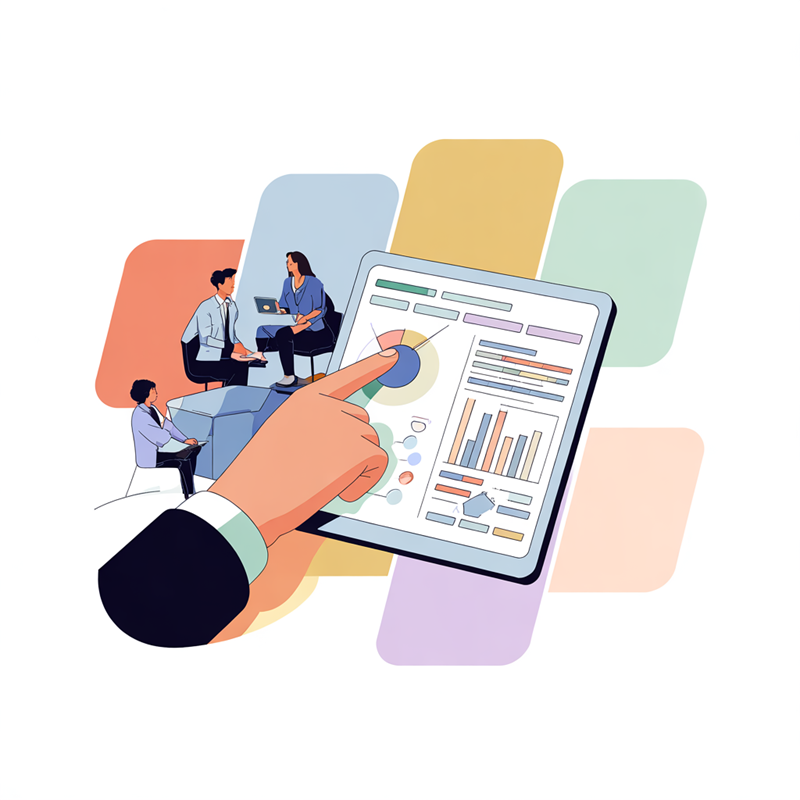
A standard Post-Disaster Analysis engagement runs 3–5 weeks, depending on the complexity of your response and the number of stakeholders involved. Our process is structured in three phases—moving from intake and reflection to analysis and reporting—so your organization can learn, adapt, and lead with confidence.
Optional Add-Ons
Our Leading Experts in this Area
Rodrigo Mena, Ph.D.
Fernando Aragón-Durand, Ph.D.
Nina Goričar, M.A.