The 4 Levels of Resilience
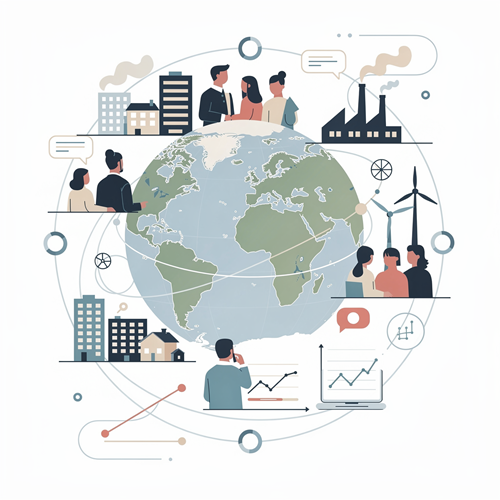
The Levels of Resilience define where resilience must exist within your organization — from individuals and operational units to enterprise governance, stakeholder ecosystems, and global systems. Together, they form the structural architecture that sustains long-term stability and strategic coherence.
Explore Your Resilience Structure
Level 1 of Resilience
Individuals & Units
The first level of resilience focuses on the strength of individuals and operational units. This is where reliability begins. Clear roles, defined responsibilities, and structured decision routines ensure that daily operations remain steady—even during moments of stress.
At this level, resilience means that teams know what to do, who decides, and how to escalate issues when needed. Training, operational protocols, and practical exercises help transform plans into real capability. Without this clarity, even strong strategy and governance can collapse under pressure.
Level 1 is not about complex systems. It is about disciplined execution. When individuals and units perform consistently, the organization builds the foundation required for higher levels of resilience to function effectively.
Level 2 of Resilience
The Organization (Enterprise)
The second level of resilience focuses on the enterprise as a whole. At this level, resilience is embedded in leadership decisions, governance structures, and strategic planning. It ensures that operational teams are supported by clear direction, aligned incentives, and realistic risk awareness.
This means that long-term stability is considered alongside growth objectives. Boards and executives evaluate uncertainty when making investments, designing policies, and allocating resources. Risk is not treated as an afterthought; it becomes part of disciplined decision-making.
When resilience is integrated at the enterprise level, the organization reduces internal contradictions. Strategy and execution move in the same direction. This alignment strengthens performance and protects the institution during periods of stress.
Level 3 of Resilience
Society & Stakeholders
The third level of resilience focuses on your organization’s position within its broader ecosystem. This includes customers, investors, regulators, suppliers, community actors, and strategic partners. These relationships influence your stability, growth, and long-term credibility.
At this level, resilience means more than internal strength. It requires responsible communication, structured stakeholder engagement, and alignment between what the organization promises and what it can deliver. Public commitments must be supported by real internal capability.
When stakeholder relationships are managed with discipline and transparency, trust increases. That trust becomes a strategic asset. Organizations that align internal strength with external responsibility are better positioned to grow while maintaining legitimacy and stability.
Level 4 of Resilience
Global Systems
The fourth level of resilience recognizes that organizations do not operate in isolation. Global economic trends, regulatory shifts, environmental pressures, geopolitical instability, and international standards all influence institutional stability.
At this level, resilience requires awareness of these broader systems and disciplined alignment with them. This may include understanding global risk frameworks, aligning governance practices with emerging standards, and anticipating how international developments affect operations and strategy.
When an organization understands its place within global systems, it moves beyond reaction. It begins to position itself strategically, contributing responsibly while protecting its long-term durability. Global awareness strengthens both credibility and competitiveness.