
Our Courses
Our courses prepare professionals to lead in environments where decisions carry real consequences. Each program is part of a structured learning path designed to develop the knowledge, judgment, and coordination required to protect communities and save lives.
The courses presented here form the core of Imara Academy’s professional learning pathway and the foundation of our certification programs. Each course focuses on critical dimensions of disaster management, resilience, and institutional coordination.
Unlike traditional programs that emphasize theory alone, our courses are designed around the realities professionals face when responding to crises. Participants engage with complex scenarios, analyze evolving situations, and practice the kinds of decisions that leaders must make when lives and communities are at stake.
Together, these courses build a comprehensive understanding of how institutions prepare for disasters, coordinate during emergencies, and strengthen resilience over time—ensuring that participants leave with knowledge that can be applied immediately in real-world contexts.
Corporate Disaster Resilience
Thrive at the Edge of Emergency and Aid Systems
In an age of compounding crises, resilience requires understanding how to anticipate, adapt, and lead in environments shaped by emergencies and humanitarian operations. You’ll learn how to align internal strategies with external systems—from local emergency management to global relief networks—and how to position your organization as a credible, prepared, and responsive actor.
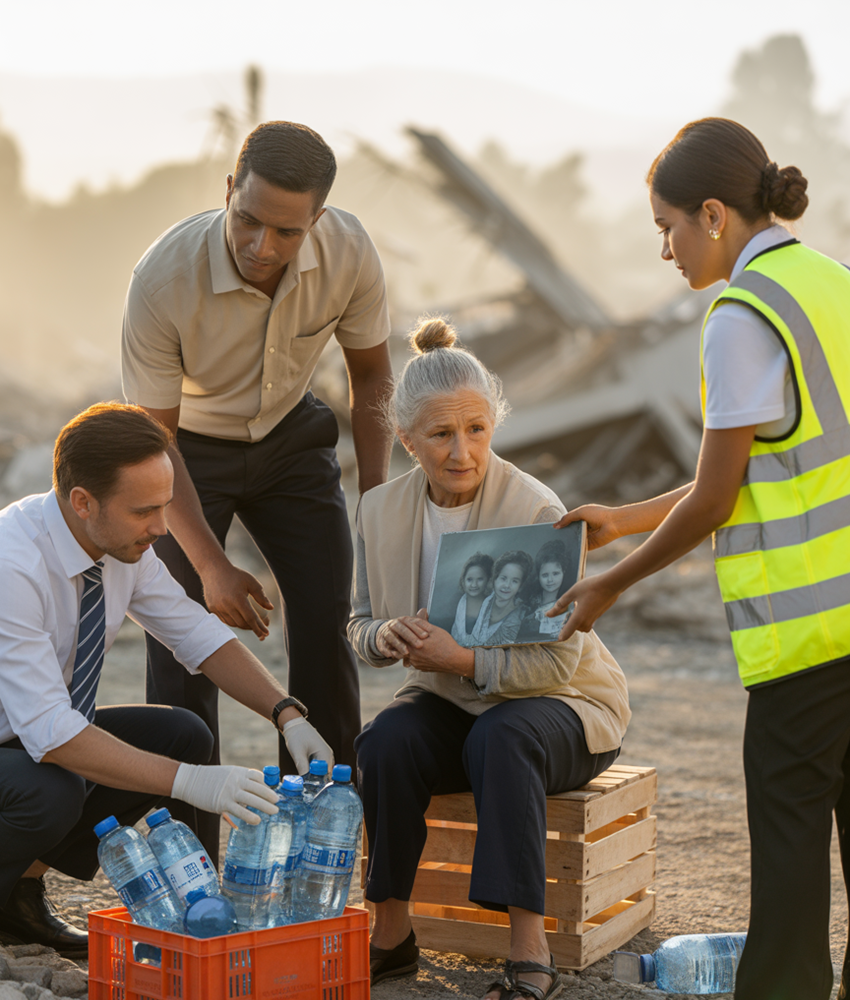
Decision-Making in Complex Systems
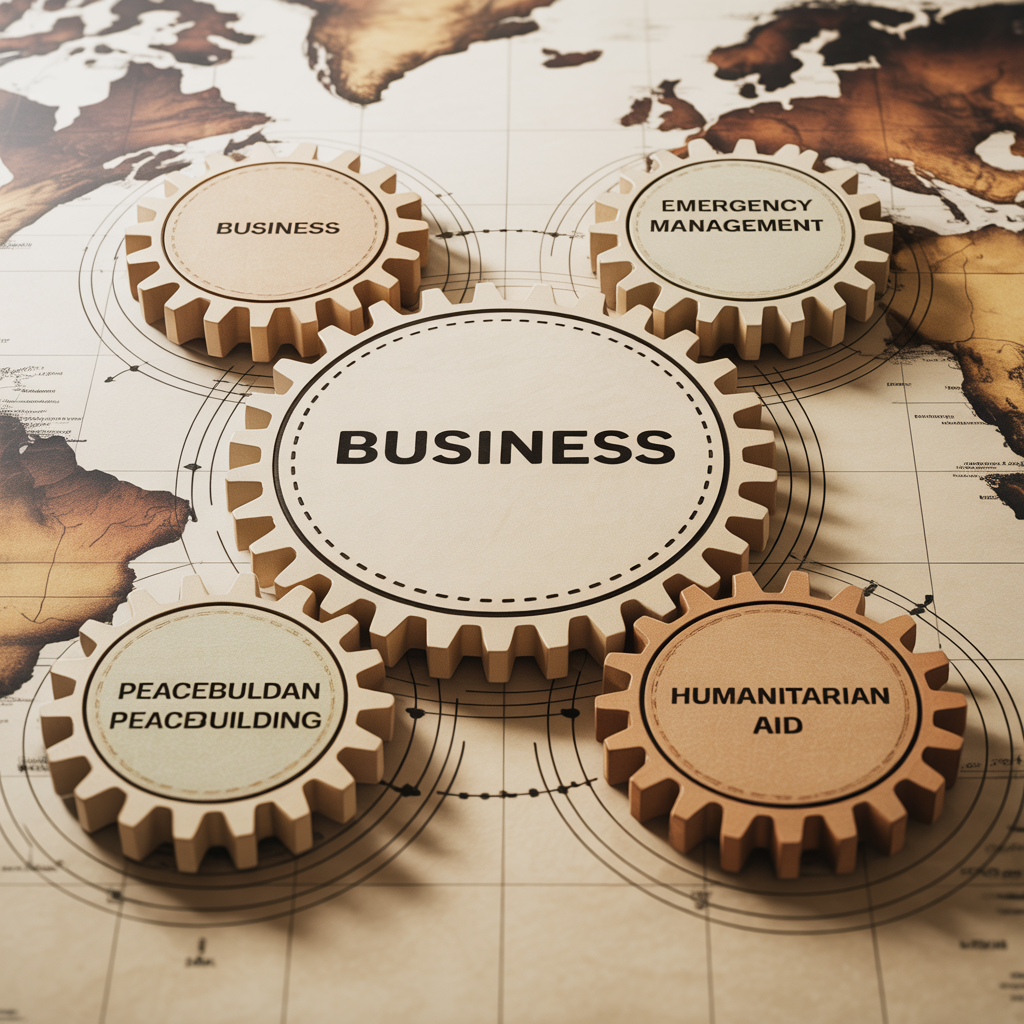
Business & Emergency Management Operations
In today’s volatile environment, your business doesn't operate in isolation—it intersects with emergency management, humanitarian aid, and peacebuilding systems more often than you realize. This lab equips you to navigate those intersections with clarity and purpose. You'll learn how to identify entry points into multi-actor coordination spaces and build strategies that align profit with impact.
Global Disaster Response
The Dynamics of Post Disaster Action
When disaster strikes across borders, the international community mobilizes through a web of actors, protocols, and power dynamics. This lab offers a front-row seat to that process—helping you understand who leads, who funds, who acts, and how decisions are made. You’ll gain critical insights into coordination structures, global frameworks, and real-world case studies that shape international disaster response.

The Origins of Humanitarian Response
The Forces that Shaped Humanitarianism
To lead in today’s humanitarian landscape, you need to understand how it came to be. This lab traces the historical roots of humanitarian response—from faith-based charity and the Geneva Conventions to the birth of the modern aid system. You'll examine how key events, ideologies, and institutions shaped today’s principles, practices, and power structures.

The Logic of Disaster Recovery
From Stabilization to Inclusive Rebuilding
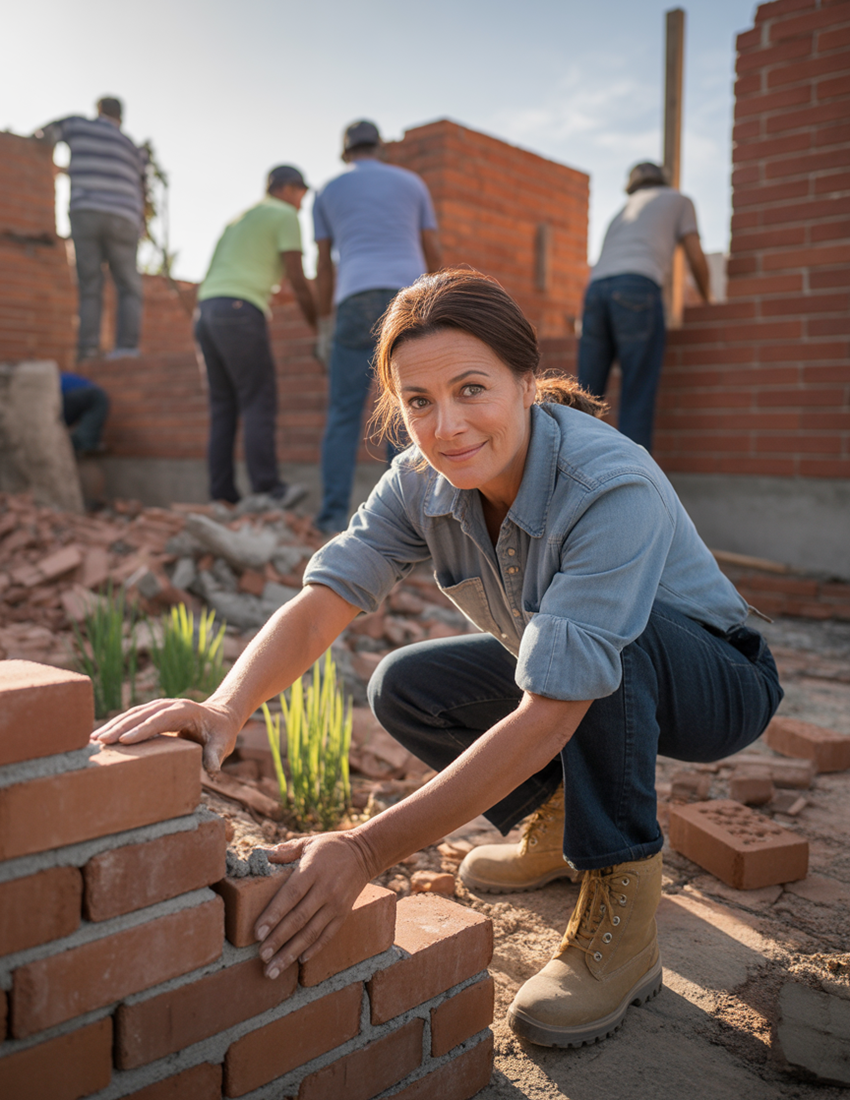
Recovery is more than reconstruction—it’s a chance to reshape communities, institutions, and systems for the better. This lab explores the complex process of disaster recovery, from immediate stabilization to long-term rebuilding, with a focus on equity, governance, and resilience. You'll learn who leads recovery efforts, how funding is allocated, and what makes recovery inclusive or exclusionary.
International Humanitarian Architecture
Behind the Scenes of a Multi-Billion Dollar System
If you want to work within the global humanitarian system—or alongside it—you need to understand how it’s built. This lab introduces you to the key actors, coordination mechanisms, and decision-making processes that define international humanitarian response. You’ll explore how mandates, funding streams, and power dynamics shape operations on the ground, and how different organizations—from the UN to INGOs—interact in times of crisis.